
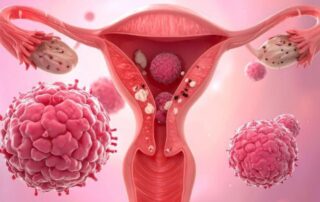
Skip the Hysterectomy: Why UFE Is the Future of Fibroid Treatment
Uterine fibroid embolization (UFE) is becoming the preferred alternative to hysterectomy. Learn how this minimally invasive treatment preserves your uterus and speeds recovery. For decades, women facing severe pelvic pain and heavy bleeding from uterine fibroids believed a hysterectomy was their only real option. Today, advanced medical technology offers a [...]
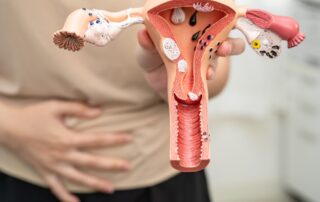
What to Expect Before, During, and After Uterine Fibroid Embolization
Heavy menstrual bleeding, persistent pelvic pressure, and frequent bathroom trips caused by uterine fibroids can make daily life difficult. Many women in and around Clinton, MD, delay treatment because they assume surgery is their only option or worry about long recovery times. Fortunately, advances in minimally invasive medicine now offer [...]

Why UFE Is a Better Long-Term Choice Than Lupron for Uterine Fibroids
Struggling with heavy periods and pelvic pain, and researching fibroid treatments like Lupron®? Discover why Lupron is only a temporary fix with heavy side effects, and how Uterine Fibroid Embolization (UFE) offers a superior, permanent, and non-surgical solution. […]
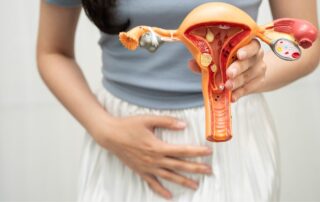
4 Smart Habits to Boost Your Uterine Health
Heavy periods, fibroids, or pelvic pressure? Your daily habits may affect your uterine health more than you think. Read on to learn five smart ways to support your uterus and when to consider treatment options like uterine fibroid embolization (UFE). […]

How Do Fibroids Affect Your Period?
If your cycle isn’t what it used to be, fibroids could be the culprit. This month, we explain how fibroids can affect your period and what treatment options can help you feel like yourself again. […]

5 Encouraging Facts About Fibroid Embolization
Struggling with heavy periods or pelvic pain from fibroids? You may not need surgery to find relief. In this blog, we share five encouraging facts about fibroid embolization and how our team can help you feel like yourself again. […]